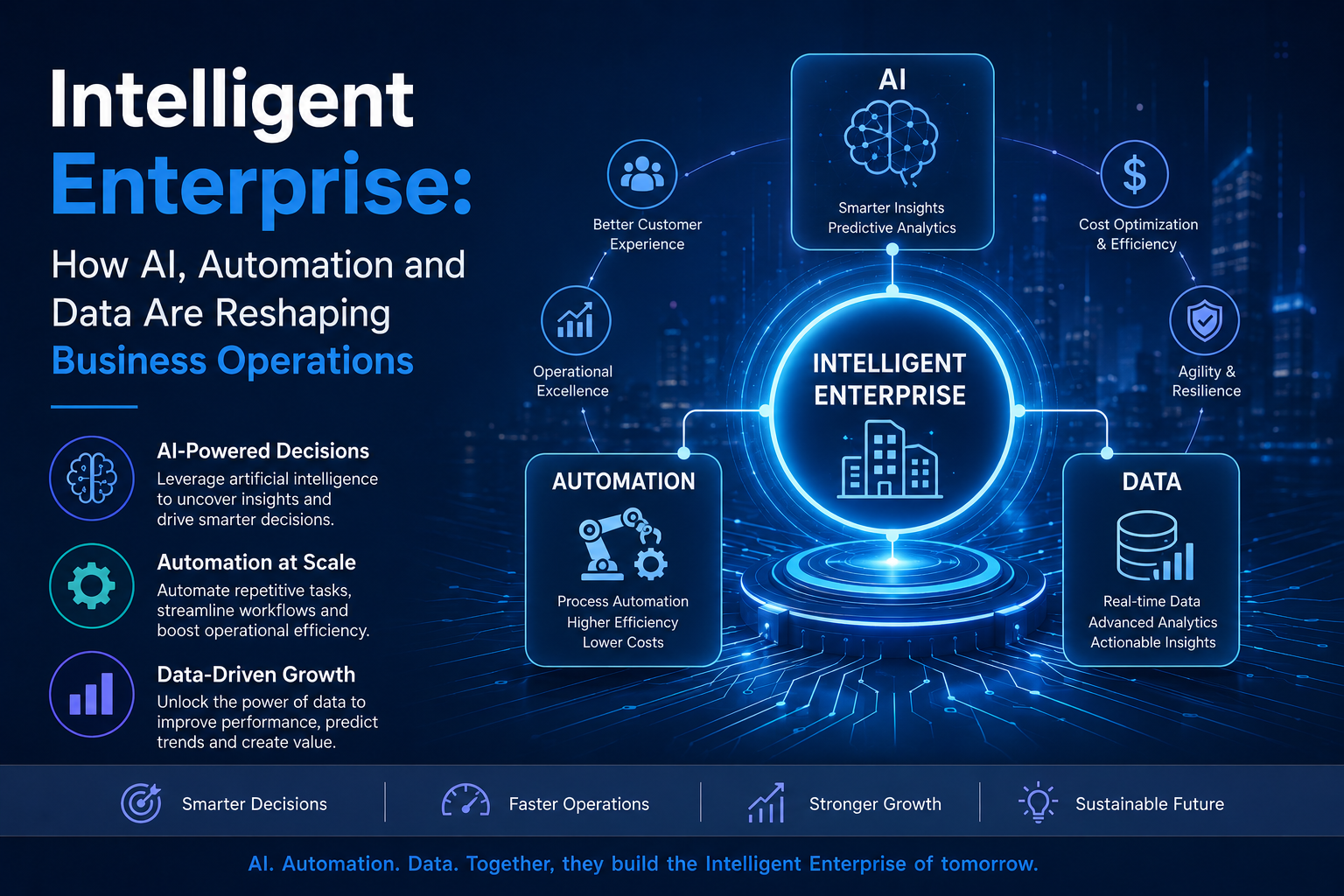
Intelligent Enterprise: How AI, Automation and Data Are Reshaping Business Operations
Businesses are operating in an increasingly digital and data-driven environment. Customer expectations are changing, competition is becoming more dynamic, and organizations are generating larger volumes of information across applications, departments and digital channels.
Traditional business models that depend heavily on manual processes and disconnected systems can make it difficult to respond quickly to these changes.
This is where the concept of the intelligent enterprise is becoming increasingly important.
An intelligent enterprise combines artificial intelligence, automation, data analytics, cloud technologies and connected business systems to create smarter and more responsive operations.
Rather than using technology simply to digitize existing processes, intelligent enterprises use technology to analyze information, automate repetitive activities, support better decisions and continuously improve business performance.
What Is an Intelligent Enterprise?
An intelligent enterprise is an organization that uses technology, data and automation to make business operations more connected, efficient and intelligent.
It typically brings together:
- Artificial intelligence
- Machine learning
- Business process automation
- Data analytics
- Cloud computing
- CRM systems
- ERP platforms
- Enterprise applications
- APIs and integrations
- Real-time monitoring
- Digital workflows
The objective is to create a connected environment where business data can move efficiently between systems and be transformed into actionable insights.
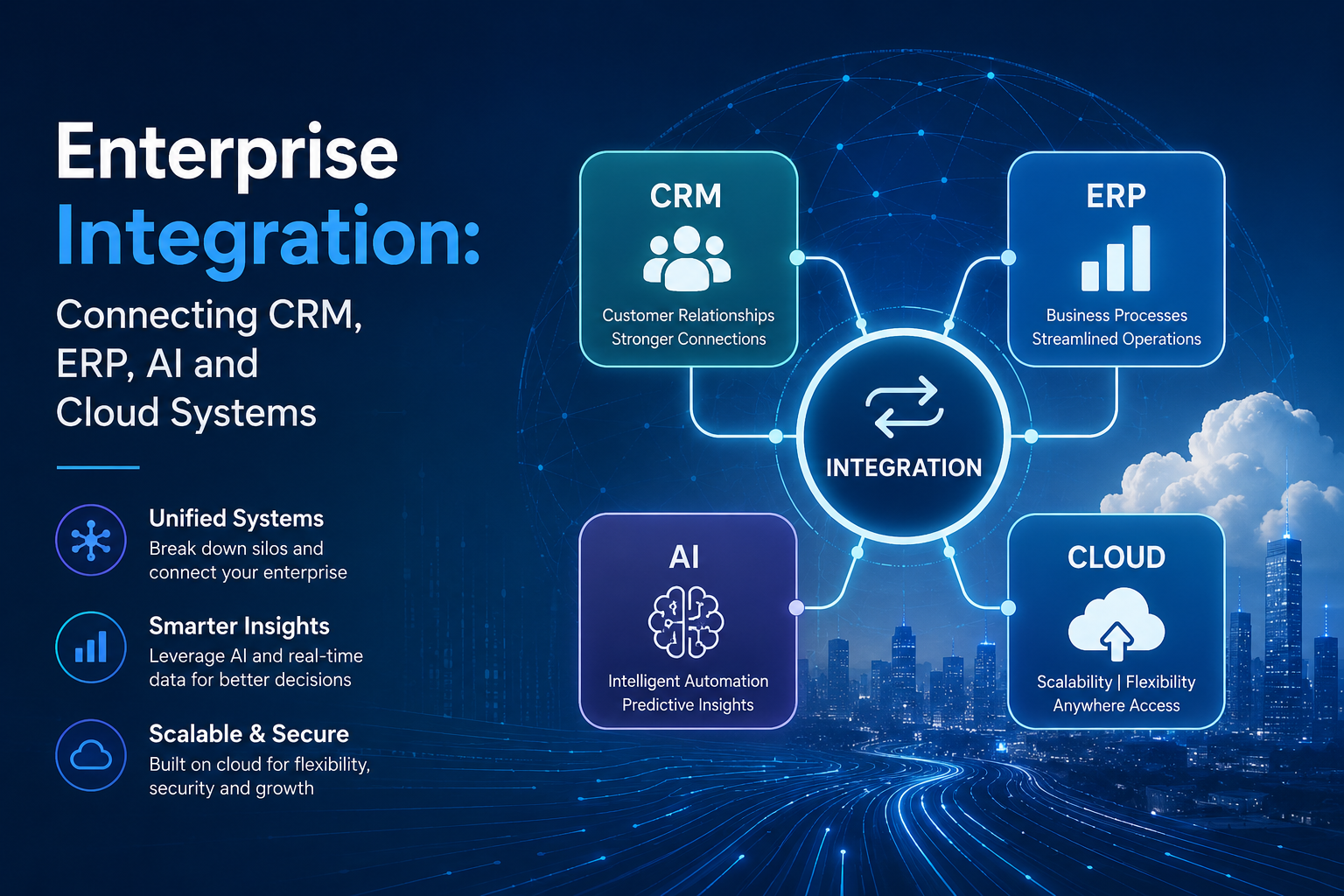
For example, a business could connect its CRM, ERP, customer service platform and analytics environment. AI can then analyze information across these systems to identify trends, predict demand or recommend actions.
Why Businesses Are Moving Toward Intelligent Operations
1. Increasing Data Volumes
Businesses generate data from websites, applications, transactions, customer interactions, IoT devices, social platforms and internal systems.
Simply collecting this information is not enough.
Organizations need technology capable of processing and analyzing data to identify useful patterns and support business decisions.
2. Growing Demand for Automation
Employees often spend significant time performing repetitive activities such as:
- Data entry
- Document processing
- Report generation
- Customer follow-ups
- Invoice processing
- Data synchronization
- Routine administrative tasks
Automation can reduce repetitive work and allow employees to focus on activities requiring creativity, strategic thinking and human judgment.
3. Faster Decision-Making
Traditional reporting often relies on manually prepared information.
Intelligent systems can provide faster access to relevant business data, helping decision-makers identify changes and respond more quickly.
4. Increasing Customer Expectations
Customers expect faster responses, personalized experiences and seamless interactions.
AI and automation can help businesses provide more responsive customer experiences while maintaining operational efficiency.
The Role of Artificial Intelligence
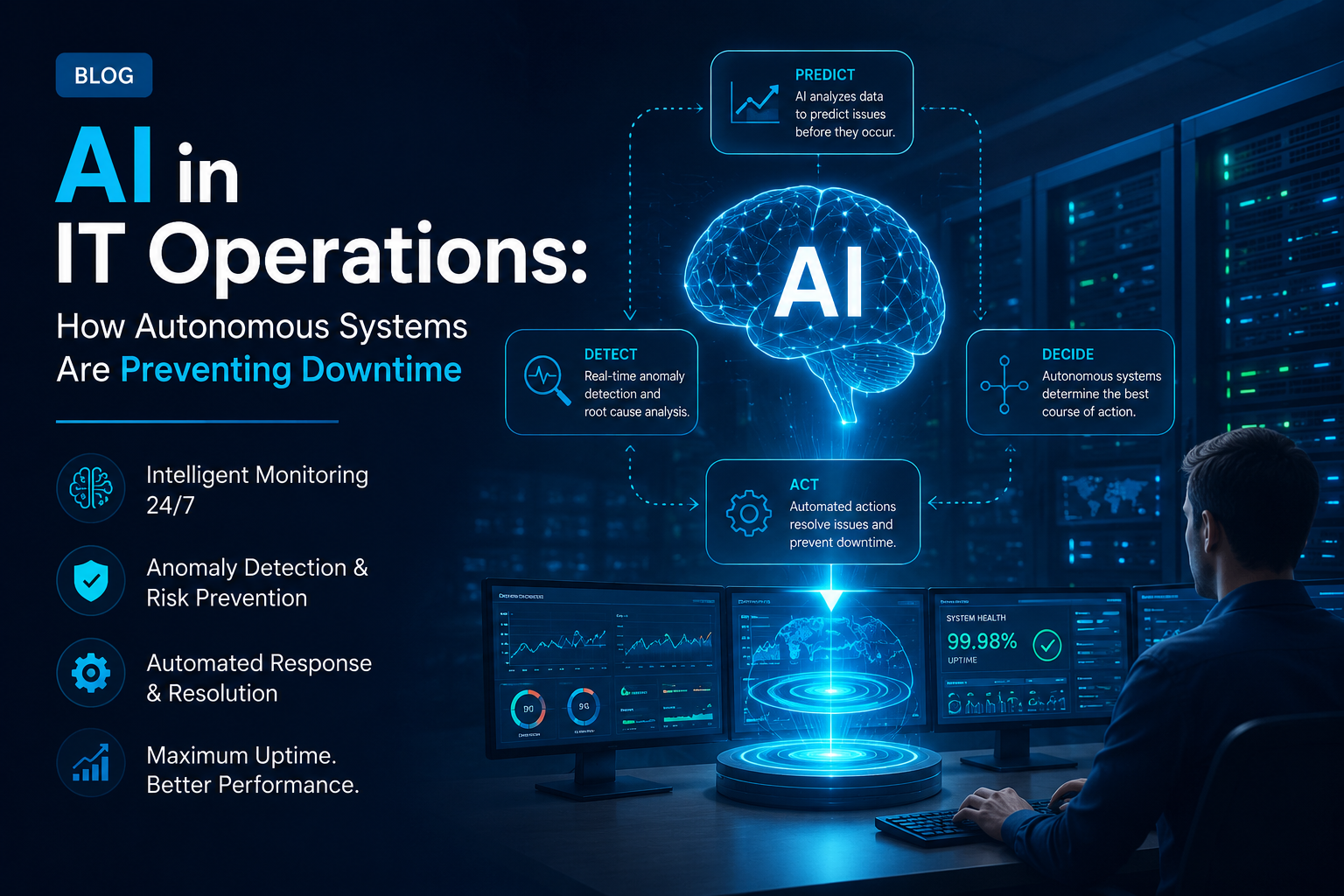
AI is one of the key technologies behind the intelligent enterprise.
Organizations can use AI to analyze data, recognize patterns, generate predictions and support employees.
Predictive Analytics
AI can analyze historical and real-time information to identify potential trends.
Businesses can apply predictive analytics to:
- Sales forecasting
- Customer behavior
- Demand planning
- Inventory management
- Risk analysis
- Equipment maintenance
Intelligent Customer Service
AI-powered assistants and conversational systems can help customers find information, answer common questions and route complex requests to appropriate teams.
Personalized Experiences
AI can analyze customer behavior and preferences to help businesses deliver more relevant recommendations, content and services.
Decision Support
AI can process large amounts of information and provide insights that help business leaders evaluate opportunities and risks.
AI should generally support human decision-making rather than replace appropriate human oversight, particularly in sensitive or high-impact business processes.
How Automation Transforms Business Operations
Automation is another core component of an intelligent enterprise.
Modern automation can connect multiple systems and execute predefined workflows without requiring constant manual intervention.
For example:
Customer submits an inquiry → CRM records the lead → AI qualifies the inquiry → Sales team receives notification → Follow-up workflow begins
Another example:
Order received → ERP processes order → Inventory updated → Invoice generated → Customer receives confirmation
These connected workflows can improve operational consistency and reduce unnecessary manual effort.
Data: The Foundation of Intelligent Business
AI and automation are only as effective as the data supporting them.
Poor-quality, incomplete or fragmented data can lead to inaccurate insights and unreliable automation.
An intelligent enterprise therefore needs a strong data foundation that includes:
- Data quality management
- Data integration
- Data governance
- Data security
- Data accessibility
- Data standardization
- Real-time or near-real-time processing where required
Businesses should focus not only on collecting more data but also on making existing data reliable and usable.
Connecting CRM, ERP and Business Systems
Disconnected applications can create data silos.
For example, the sales department may maintain customer information in a CRM while finance manages billing and payments through an ERP.
Integrating these platforms allows information to flow between departments.
A connected enterprise environment can provide:
CRM + ERP + AI + Cloud + Analytics + Automation
This integration can help businesses create more consistent workflows and provide teams with a broader view of operations.
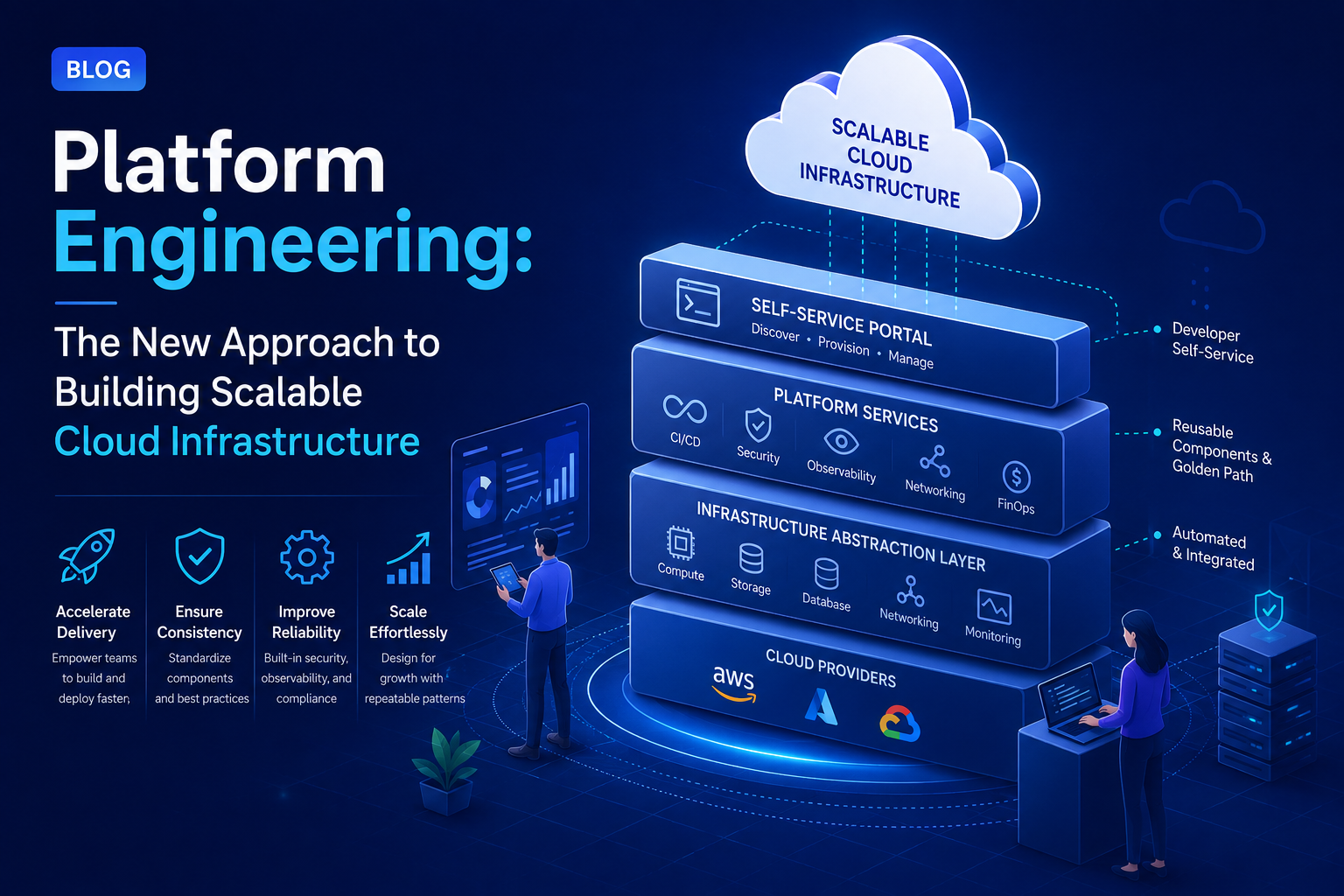
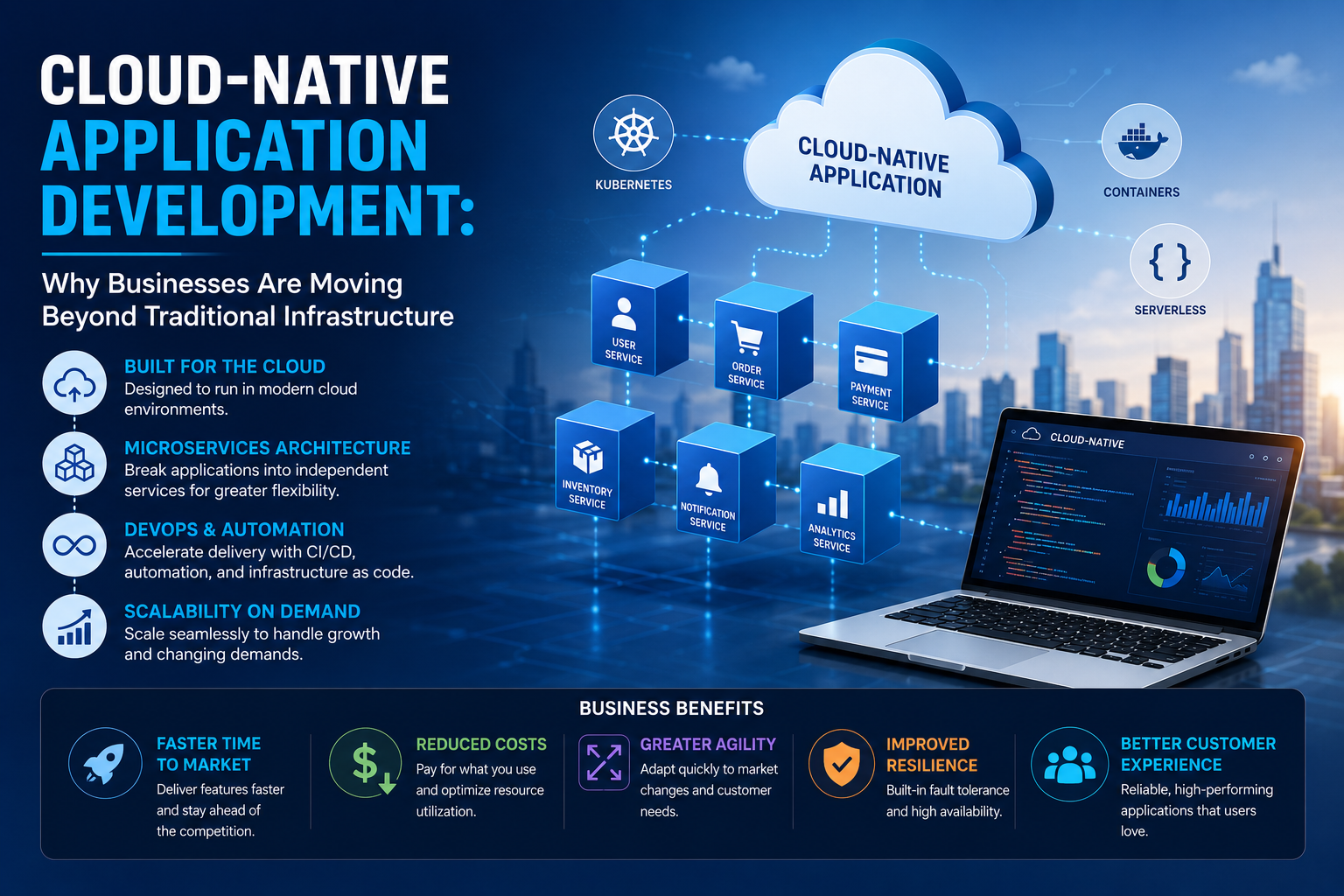
Cloud Computing as an Intelligent Enterprise Enabler
Cloud technology provides the flexibility required to support modern business applications and data workloads.
Cloud environments can help organizations:
- Scale infrastructure
- Deploy applications faster
- Access systems remotely
- Integrate cloud services
- Support analytics workloads
- Enable AI applications
- Improve infrastructure flexibility
Hybrid and multi-cloud environments can also allow organizations to combine different infrastructure models according to business and technical requirements.
Benefits of an Intelligent Enterprise
Implementing intelligent technologies can create benefits across multiple areas of an organization.
Improved Operational Efficiency
Automation reduces repetitive manual tasks and helps standardize workflows.
Better Decision-Making
Integrated data and analytics provide decision-makers with more relevant information.
Reduced Operational Errors
Automated processes can reduce errors associated with repetitive manual data entry and processing.
Enhanced Customer Experience
AI-powered personalization and automated support can help businesses respond to customers more efficiently.
Greater Scalability
Cloud infrastructure and automated workflows can make it easier to handle increasing workloads.
Improved Visibility
Connected systems provide organizations with greater visibility across departments and business processes.
Faster Innovation
Modern technology environments allow businesses to experiment with new applications, services and AI capabilities more efficiently.
Challenges of Building an Intelligent Enterprise
Although the benefits are significant, organizations may face several challenges.
Legacy Systems
Older applications may not easily integrate with modern AI, cloud and automation platforms.
Data Silos
Data stored across disconnected systems can make it difficult to create a unified view of operations.
Security and Privacy
Connecting more systems increases the importance of identity management, access controls, encryption, monitoring and data governance.
AI Governance
Organizations need clear policies for AI usage, data access, model evaluation, monitoring and human oversight.
Skills Gap
Implementing intelligent technologies requires expertise across areas such as AI, cloud computing, data engineering, cybersecurity and software development.
Change Management
Technology transformation also requires employees to adapt to new workflows and tools.
A Practical Roadmap for Building an Intelligent Enterprise
Businesses do not need to transform everything simultaneously.
A phased strategy can make implementation more manageable.
Step 1: Identify Business Priorities
Determine which business problems technology should solve.
Examples include:
- Reducing operational costs
- Improving customer service
- Increasing sales efficiency
- Automating administrative processes
- Improving forecasting
Step 2: Assess Existing Technology
Evaluate current CRM, ERP, applications, databases, infrastructure and integration capabilities.
Identify outdated systems, data silos and process bottlenecks.
Step 3: Improve Data Quality
Establish reliable data sources, governance processes and standardized information structures.
Step 4: Automate High-Value Processes
Start with repetitive workflows that provide measurable business value.
Step 5: Introduce AI Where It Creates Value
AI should be implemented around clearly defined business use cases rather than being adopted simply because it is a technology trend.
Step 6: Integrate Business Systems
Connect CRM, ERP, cloud applications and other systems through APIs, integration platforms or suitable architectural approaches.
Step 7: Measure Results
Track relevant metrics such as:
- Processing time
- Operational costs
- Customer response time
- Error rates
- Employee productivity
- Revenue impact
- Customer satisfaction
Step 8: Continuously Improve
Intelligent transformation should be treated as an ongoing process. Businesses should regularly evaluate technology performance, security, data quality and emerging opportunities.
The Future of Intelligent Enterprises
The future of enterprise technology will increasingly involve systems that can understand data, automate workflows and assist employees in making informed decisions.
AI agents, predictive analytics, intelligent automation and real-time data platforms are likely to become increasingly integrated into everyday business operations.
However, successful transformation will depend on more than adopting AI.
Organizations will need:
- Reliable data
- Secure infrastructure
- Connected applications
- Strong governance
- Scalable architecture
- Skilled teams
- Clear business objectives
The most successful intelligent enterprises will be those that combine advanced technology with practical business strategy.
Conclusion
The intelligent enterprise represents a shift from traditional, disconnected business operations toward connected, automated and data-driven organizations.
AI can provide intelligence, automation can improve efficiency, and data can provide the foundation for better decisions. When these capabilities are integrated with CRM, ERP, cloud and enterprise applications, businesses can create a more responsive and scalable technology environment.
The journey does not need to happen all at once. Businesses can begin with specific high-value processes, establish a strong data foundation, integrate critical systems and gradually expand intelligent capabilities.
Clopid Smart Technology Solution helps businesses build connected, scalable and intelligent technology environments by bringing together CRM, ERP, AI, cloud and automation capabilities around specific business requirements. Explore Clopid's technology solutions to discover how your organization can build a more connected and future-ready digital infrastructure.