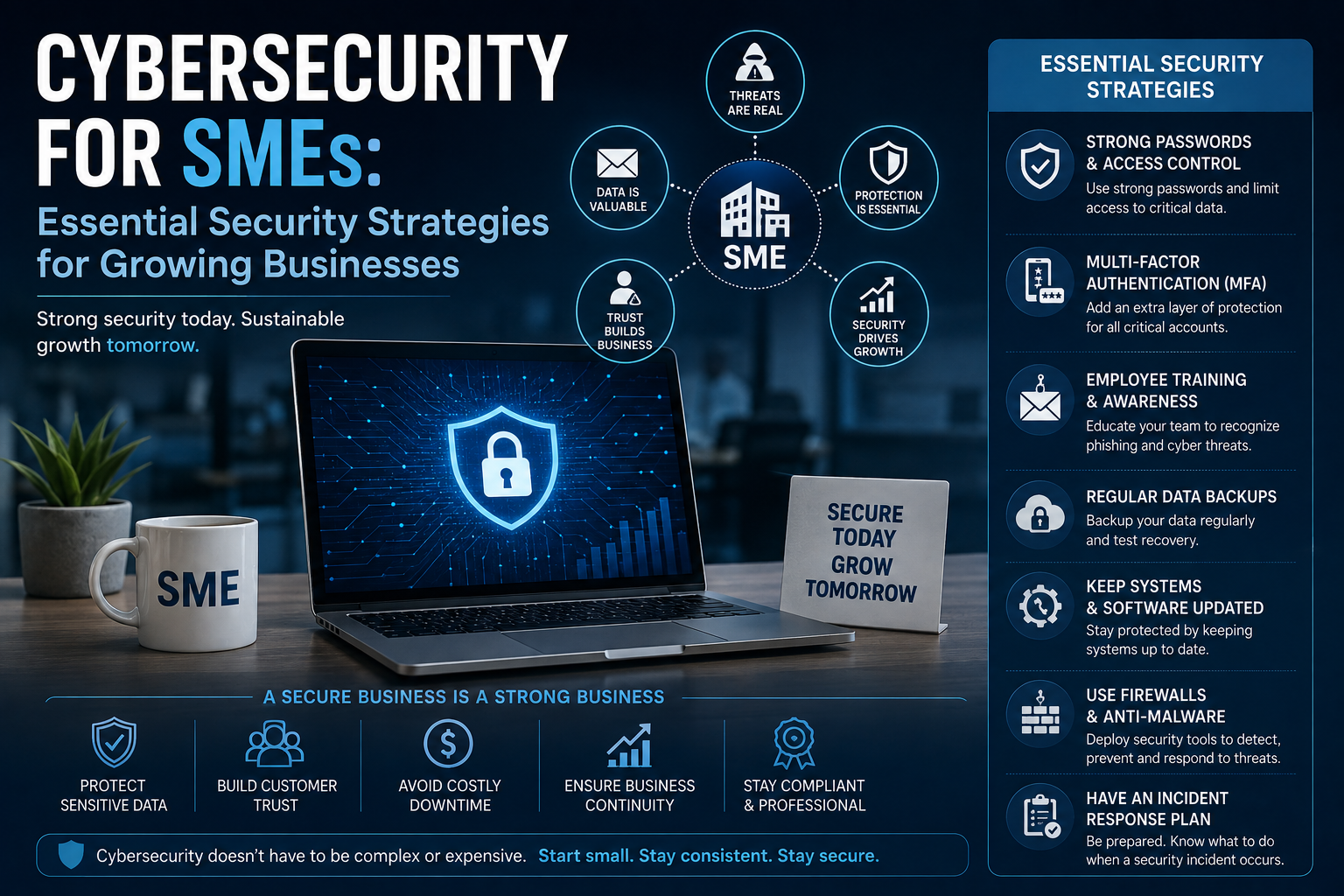
Cybersecurity for SMEs: Essential Security Strategies for Growing Businesses
Small and medium-sized enterprises are becoming increasingly dependent on digital technologies. Cloud applications, online payments, remote work, CRM platforms, ERP systems, websites, mobile devices, and digital communication have made businesses more efficient—but they have also expanded the potential attack surface.
For growing businesses, cybersecurity is no longer simply an IT concern. A security incident can affect customer trust, business continuity, confidential information, finances, and long-term reputation.
The good news is that SMEs do not necessarily need a large enterprise security budget to establish a strong cybersecurity foundation. A practical combination of strong authentication, regular updates, secure backups, employee awareness, access controls, encryption, monitoring, and incident response planning can significantly improve an organization's security posture.
The National Institute of Standards and Technology (NIST) specifically provides cybersecurity guidance for small and medium-sized businesses and recommends approaching cybersecurity as an ongoing risk-management process rather than a one-time project.
Why Cybersecurity Matters for SMEs
Cybercriminals do not only target large corporations. SMEs can be attractive targets because they may have valuable customer information, financial data, intellectual property, access credentials, and connections to larger organizations while having fewer dedicated security resources.
Common threats include:
- Phishing and social engineering
- Ransomware
- Credential theft
- Malware
- Business email compromise
- Data breaches
- Weak passwords
- Unpatched software vulnerabilities
- Insider threats
- Insecure remote access
- Third-party and supply-chain risks
CISA emphasizes that small and medium-sized businesses need practical cybersecurity measures to protect their people, customers, intellectual property, and sensitive information.
1. Enable Multi-Factor Authentication
Passwords alone are no longer sufficient for protecting important business accounts.
Multi-factor authentication (MFA) adds another verification layer beyond a password. Depending on the system, this can include an authenticator application, security key, biometric verification, or another approved authentication method.
SMEs should prioritize MFA for:
- Email accounts
- Cloud platforms
- CRM and ERP systems
- Financial applications
- Administrative accounts
- Remote-access systems
- Developer and infrastructure accounts
NIST recommends requiring MFA, particularly phishing-resistant MFA where supported, as an important small-business security measure.
2. Build a Strong Password Policy
Weak or reused passwords can provide attackers with an easy entry point.
Businesses should establish clear password practices:
- Use long, unique passwords or passphrases.
- Never reuse passwords across critical systems.
- Use a trusted password manager.
- Avoid sharing credentials through email or messaging applications.
- Remove access when employees leave the organization.
- Protect privileged accounts with stronger authentication.
A password manager can also help employees generate and securely store unique credentials instead of relying on easily remembered passwords.
3. Keep Software and Systems Updated
Outdated software can contain vulnerabilities that attackers may exploit.
SMEs should establish a regular patch-management process covering:
- Operating systems
- Web browsers
- Business applications
- CRM and ERP platforms
- Plugins and extensions
- Network devices
- Mobile devices
- Security software
- Servers and cloud workloads
NIST recommends keeping software updated and patched, while the FTC similarly advises businesses to regularly update programs, applications, browsers, and operating systems.
Automated updates should be enabled where appropriate, but organizations should also maintain visibility into critical systems and confirm that important patches are successfully applied.
4. Protect Business Data With Regular Backups
A cybersecurity strategy should assume that something may eventually go wrong.
Regular backups can help organizations recover from ransomware, accidental deletion, hardware failures, or other incidents.
Businesses should identify critical information such as:
- Customer records
- Financial data
- Contracts
- Business documents
- Databases
- Website data
- Application configurations
- Operational files
Backups should be protected from unauthorized access and regularly tested to verify that data can actually be restored.
CISA and NIST both identify backups as a core component of small-business cybersecurity.
5. Encrypt Sensitive Information
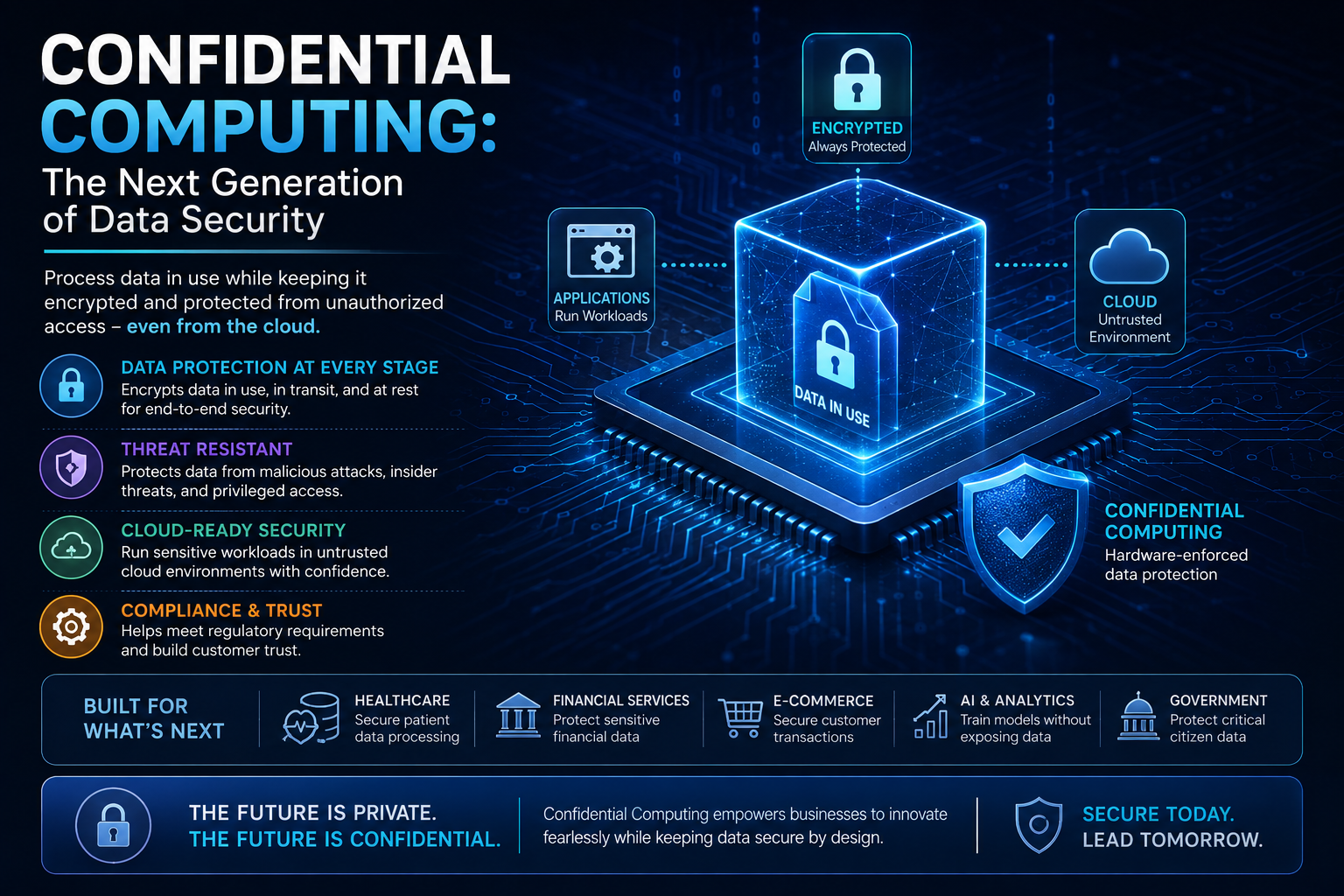
Encryption helps protect data if unauthorized individuals gain access to devices, storage systems, or network traffic.
SMEs should consider encryption for:
- Customer information
- Financial records
- Employee information
- Business documents
- Laptops and mobile devices
- Cloud storage
- Sensitive communications
- Data transferred between systems
Encryption should be considered both at rest and in transit, particularly for sensitive business information. The FTC recommends encrypting devices, media, cloud storage, and sensitive information transmitted outside the organization.
6. Train Employees to Recognize Cyber Threats
Technology alone cannot eliminate cybersecurity risks.
Employees are often exposed to phishing emails, malicious links, fraudulent invoices, social-engineering attempts, and fake login pages.
Security awareness training should teach employees how to:
- Identify suspicious emails
- Verify unexpected payment requests
- Avoid unknown attachments
- Check suspicious links
- Protect credentials
- Report security incidents
- Use secure remote connections
- Handle sensitive business information
Training should not be limited to new employees. Regular awareness programs can help employees stay prepared as threats evolve.
NIST identifies employee cybersecurity training as one of the foundational steps for small businesses.
7. Apply Least-Privilege Access
Not every employee needs access to every business system.
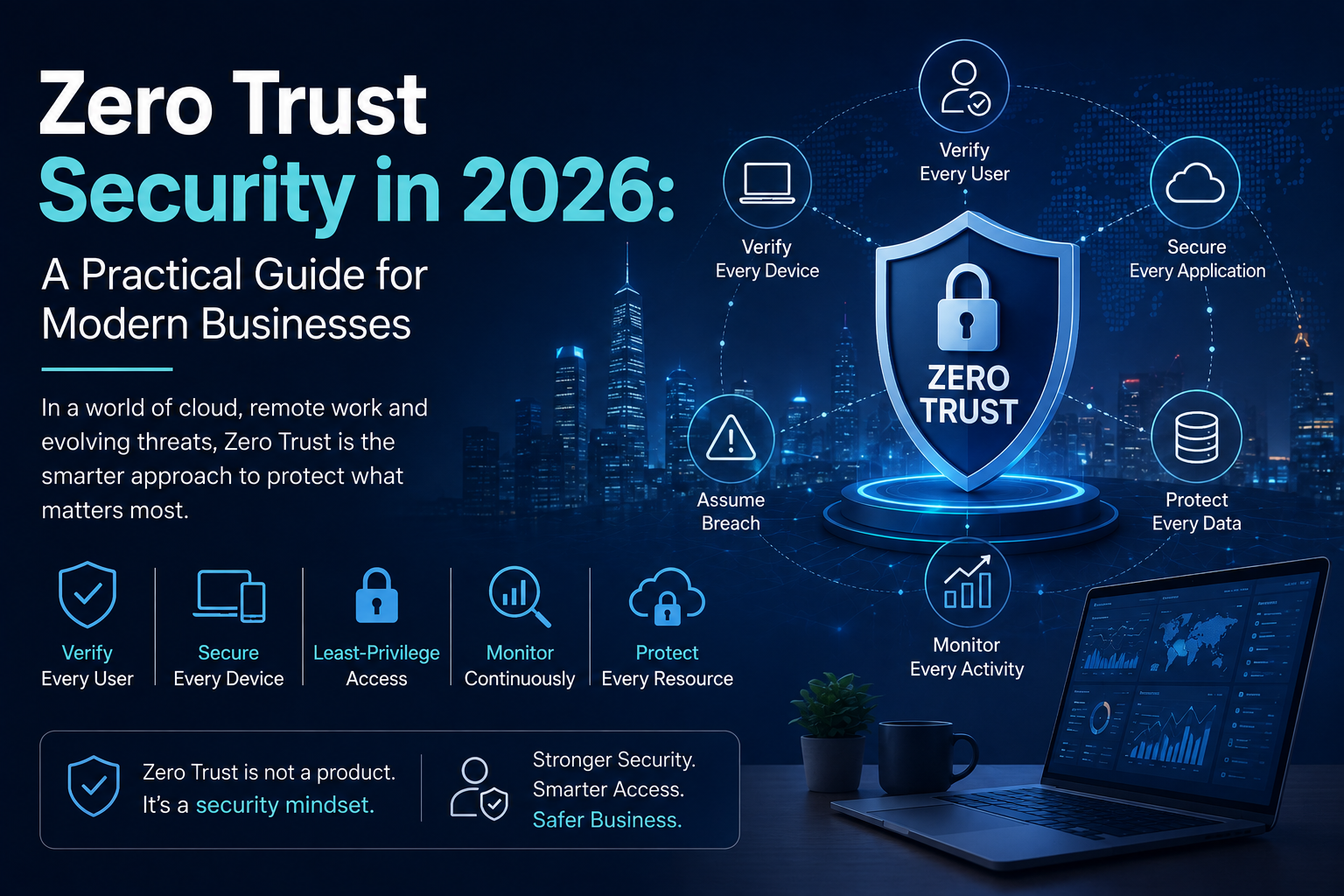
The principle of least privilege means users should receive only the access necessary to perform their responsibilities.
For example:
A marketing employee may need access to social media and marketing platforms but may not need administrative access to financial systems or production databases.
Businesses should regularly review:
- User accounts
- Administrative privileges
- Shared accounts
- Application permissions
- Remote-access permissions
- Former employee accounts
Reducing unnecessary access can limit the potential impact of compromised credentials.
8. Secure Remote and Cloud Access
Remote work and cloud applications have changed the way SMEs operate.
Employees may connect from:
- Homes
- Offices
- Hotels
- Cafés
- Airports
- Client locations
Businesses should establish secure remote-access policies and use appropriate controls such as MFA, secure network configurations, endpoint protection, and managed access.
The FTC recommends using secure connections for employees and vendors accessing business networks remotely and highlights VPNs as one option businesses can consider.
Cloud platforms should also be configured securely rather than relying solely on the provider's default settings.
9. Strengthen Email Security
Email remains one of the most common channels for phishing and business fraud.
SMEs should implement appropriate email-security controls and establish processes for handling suspicious messages.
Employees should be especially cautious about messages requesting:
- Urgent payments
- Password changes
- Bank-account modifications
- Confidential information
- Gift cards
- Unexpected document downloads
- Login verification
For high-value transactions, organizations should use an independent verification process rather than relying solely on email instructions.
10. Protect Endpoints and Business Devices
Every laptop, smartphone, tablet, and workstation connected to company systems can become a potential entry point.
SMEs should implement endpoint security measures such as:
- Antivirus or endpoint protection
- Automatic security updates
- Device encryption
- Screen locks
- Secure configuration
- Remote-wipe capabilities where appropriate
- Application controls
- Mobile-device management when required
Businesses should also maintain an inventory of devices so that security teams know which systems need protection and maintenance.
11. Monitor Systems and Security Events
Prevention is important, but businesses also need the ability to identify suspicious activity.
Security monitoring can help detect:
- Unusual login attempts
- Multiple failed authentication attempts
- Unexpected administrative activity
- Suspicious network behavior
- Malware activity
- Unusual data transfers
- Unauthorized access
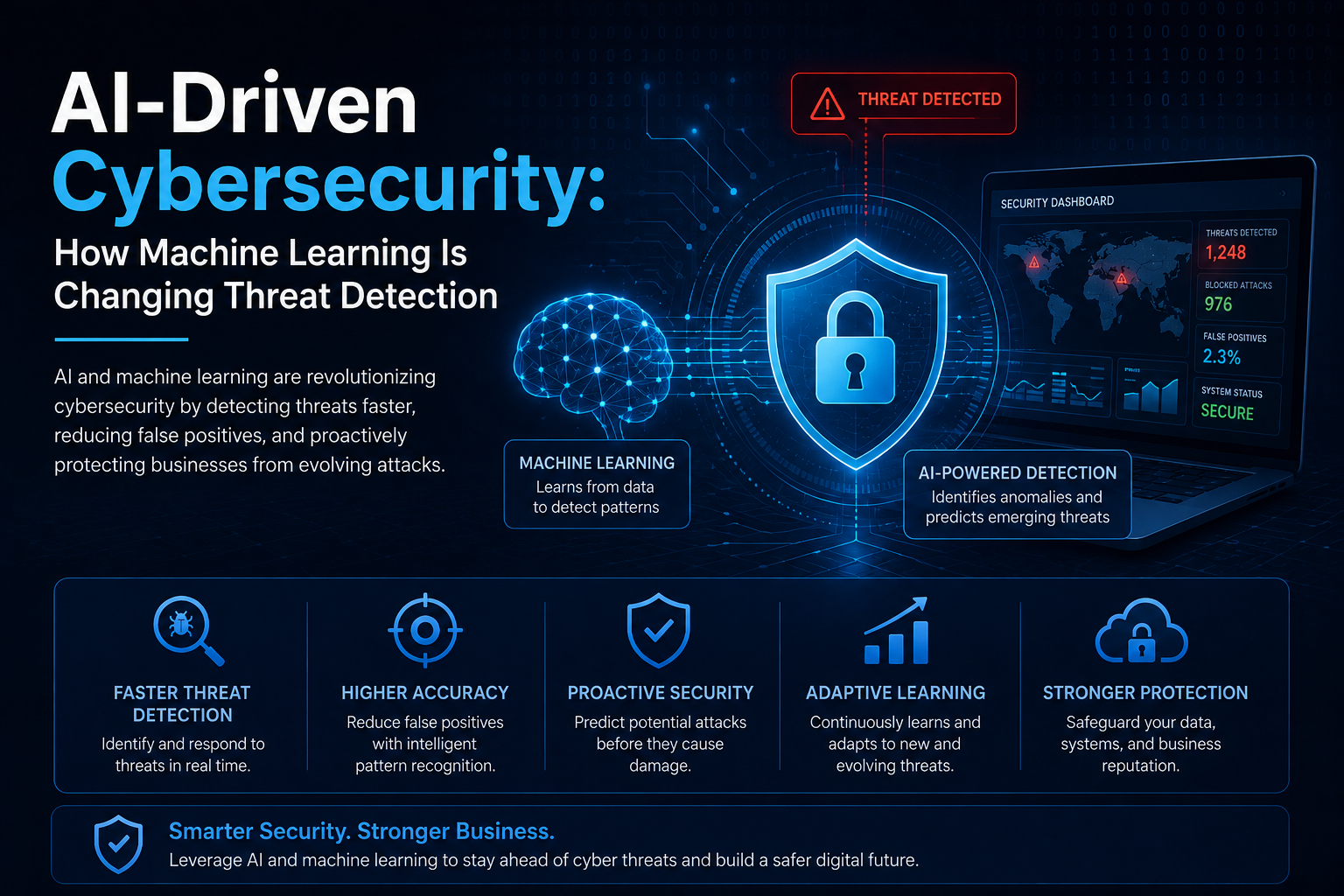
CISA recommends logging and threat-detection practices as part of stronger cybersecurity defenses for small and medium-sized organizations.
For SMEs without dedicated security teams, managed security services can help provide monitoring and technical expertise.
12. Create an Incident Response Plan
Even well-protected businesses can experience security incidents.
An incident response plan should define:
Who: Who is responsible for responding?
What: What qualifies as a security incident?
When: When should management, customers, vendors, insurers, or authorities be notified?
How: How will systems be isolated, investigated, restored, and monitored?
The plan should cover scenarios such as:
- Ransomware
- Data breaches
- Stolen credentials
- Lost devices
- Malware infections
- Unauthorized access
- Website compromise
Organizations should periodically review and test the plan.
NIST's Cybersecurity Framework 2.0 organizes cybersecurity risk management around Govern, Identify, Protect, Detect, Respond, and Recover, providing SMEs with a structured way to develop and improve their security programs.
13. Evaluate Third-Party and Vendor Risks
SMEs often depend on external providers for:
- Cloud hosting
- Payment processing
- CRM
- ERP
- Accounting
- Marketing
- IT support
- Software development
- Data storage
A security problem at a third-party provider can potentially affect your organization.
Before selecting or renewing important vendors, businesses should consider:
- Security practices
- Data handling
- Access controls
- Encryption
- Incident notification
- Backup practices
- Compliance requirements
- Contractual responsibilities
Vendor security should become part of the overall cybersecurity strategy rather than being treated as a separate concern.
14. Protect Your Website and Applications
For digitally active SMEs, websites and web applications are important business assets.
Organizations should:
- Keep CMS platforms and plugins updated.
- Use HTTPS.
- Protect administrative accounts with MFA.
- Remove unused plugins and applications.
- Conduct vulnerability assessments where appropriate.
- Maintain secure backups.
- Monitor unusual website activity.
- Follow secure software-development practices.
Businesses developing custom applications should integrate security into the development lifecycle instead of treating security as a final-stage activity.
15. Follow a Risk-Based Cybersecurity Strategy
SMEs often make the mistake of trying to implement every available security technology at once.
A better approach is to prioritize security investments based on business risk.
Start by identifying:
- What data is most valuable?
- Which systems are critical?
- Which threats are most likely?
- What vulnerabilities currently exist?
- What would happen if a critical system became unavailable?
- Which security controls would reduce the greatest risk?
The NIST Cybersecurity Framework 2.0 Small Business Quick-Start Guide is specifically designed to help organizations with limited cybersecurity planning begin managing cybersecurity risk in a structured way.
A Practical Cybersecurity Checklist for SMEs
Essential Controls
- Enable MFA on critical accounts.
- Use strong, unique passwords.
- Implement a password manager.
- Keep software and operating systems updated.
- Back up critical business data.
- Test backup restoration.
- Encrypt sensitive data.
- Use endpoint protection.
- Restrict administrative privileges.
- Secure remote access.
- Train employees regularly.
- Monitor important systems.
- Establish an incident response plan.
- Review third-party security risks.
- Periodically assess cybersecurity risks.
These measures align closely with recommendations from NIST, CISA, and other government cybersecurity guidance for small businesses.
How SMEs Can Build a Stronger Security Culture
Cybersecurity should not be treated as an annual IT activity.
Growing businesses should make security part of everyday operations.
Leadership can help by:
- Making cybersecurity a business priority.
- Allocating appropriate security resources.
- Establishing clear security policies.
- Conducting regular employee training.
- Reviewing security risks periodically.
- Testing incident response procedures.
- Tracking important security metrics.
When employees understand that cybersecurity protects customers, employees, revenue, and business continuity, security becomes part of the organization's culture.
The Role of Managed Cybersecurity Services
Not every SME has the budget or resources to maintain a dedicated internal cybersecurity team.
Managed security and technology services can provide access to specialized expertise without requiring a large in-house team.
Depending on business requirements, organizations can explore services such as:
- Security monitoring
- Vulnerability assessments
- Endpoint management
- Cloud security
- Network security
- Backup management
- Security audits
- Incident response support
- IT infrastructure management
The right approach depends on the organization's size, industry, technology environment, risk profile, and compliance requirements.
Conclusion
Cybersecurity is a fundamental part of sustainable business growth.
As SMEs adopt more cloud applications, connected devices, digital payment systems, remote-work technologies, and AI-powered tools, their digital environments continue to expand. This makes a proactive security strategy increasingly important.
The strongest approach is not necessarily the most expensive one. It is the one that addresses the organization's most important risks through practical and consistently maintained controls.
Start with the fundamentals: MFA, strong passwords, software updates, backups, encryption, access control, employee training, monitoring, and incident response.
Then continuously assess and improve your security posture as your business grows.
For SMEs looking to strengthen their technology infrastructure and implement modern digital and security solutions, Clopid Smart Technology Solution can be explored at www.clopid.com.
Frequently Asked Questions
Why is cybersecurity important for SMEs?
Cybersecurity helps SMEs protect sensitive business information, customer data, financial assets, systems, and business continuity from cyber threats.
What is the most important cybersecurity measure for a small business?
There is no single solution that protects against every threat. However, enabling MFA on critical accounts, maintaining secure backups, keeping systems updated, and training employees are strong foundational measures.
How often should SMEs back up their data?
The appropriate frequency depends on how quickly the business generates and changes data. Critical systems should have a clearly defined backup schedule, with backups protected and restoration tested regularly.
Should SMEs use MFA?
Yes. MFA should be enabled wherever supported, especially for email, cloud services, administrative accounts, financial systems, and remote access.
Can small businesses afford cybersecurity?
Cybersecurity can be scaled according to business size and risk. Many foundational controls, including MFA, software updates, security awareness, and basic backup practices, can be implemented without enterprise-level budgets.
What is the NIST Cybersecurity Framework?
The NIST Cybersecurity Framework 2.0 is a voluntary framework that helps organizations understand, assess, prioritize, and manage cybersecurity risk. It is designed to be flexible and can be applied by organizations of different sizes and maturity levels.
How can an SME prepare for a cyberattack?
Start by identifying critical systems and data, implementing essential security controls, maintaining tested backups, training employees, monitoring important systems, and creating an incident response plan.
Secure today. Scale confidently tomorrow.